Finding an English-Speaking Therapist in Cologne
Written by Nastassja Volkov · Psychologische Psychotherapeutin
Cologne is an international city, and many people who live here speak German well enough for everyday life. Talking about anxiety, grief or a relationship crisis is a different matter, though. In therapy, the words we use for feelings matter, and many people find it much easier to open up in the language they think and feel in. At the same time, the German health system can feel confusing when you first try to navigate it. This guide explains the main routes to finding an English-speaking therapist in Cologne.
How psychotherapy works in the German system
In Germany, psychotherapy is part of regular health care. If you have statutory health insurance (gesetzliche Krankenversicherung, e.g. TK, AOK, Barmer), therapy with a practitioner who has a statutory insurance licence (Kassenzulassung) is covered. The first step is usually a short assessment appointment called a psychotherapeutische Sprechstunde. You can book one through the appointment service of the Association of Statutory Health Insurance Physicians by calling 116 117 or via 116117.de.
The challenge is that therapists with a statutory licence often have long waiting lists, and finding one who works in English narrows the options further.
If you have private insurance
With private health insurance (private Krankenversicherung, PKV) or Beihilfe, you can see therapists in private practice. Private insurers usually reimburse psychotherapy, but plans differ, so it is worth asking your insurer beforehand what is covered and whether you need to apply before starting. Private practices can often offer appointments more quickly.
If no statutory therapist is available
People with statutory insurance who cannot find a therapist within a reasonable time can, under certain conditions, apply to their insurer to cover treatment in a private practice. This is called the Kostenerstattungsverfahren. You apply yourself, it involves some paperwork, and it helps to document every practice you contacted. Many people are not aware this option exists.
What the titles mean
When searching, you will come across different titles. Psychologische Psychotherapeutin / Psychologischer Psychotherapeut is a protected title in Germany. It requires a degree in psychology, several years of clinical training and a state licence (Approbation). A Heilpraktiker für Psychotherapie has passed a much shorter examination. Both may offer support, but knowing the difference helps you choose, especially if you are looking for treatment of a mental health condition.
In person or online?
Some people want to sit across from their therapist in the same room. Others prefer online sessions, for example because of a busy schedule, frequent travel or because leaving the house is hard at the moment. Research shows that video-based cognitive behavioural therapy is comparably effective to in-person therapy for many concerns. Which format suits you is a personal choice, and many therapists offer both.
If you need help right away
If you are in an acute crisis, call 112 or go to the nearest psychiatric emergency department. The German crisis line Telefonseelsorge (0800 111 0 111) is free and available around the clock. Calls are usually answered in German.
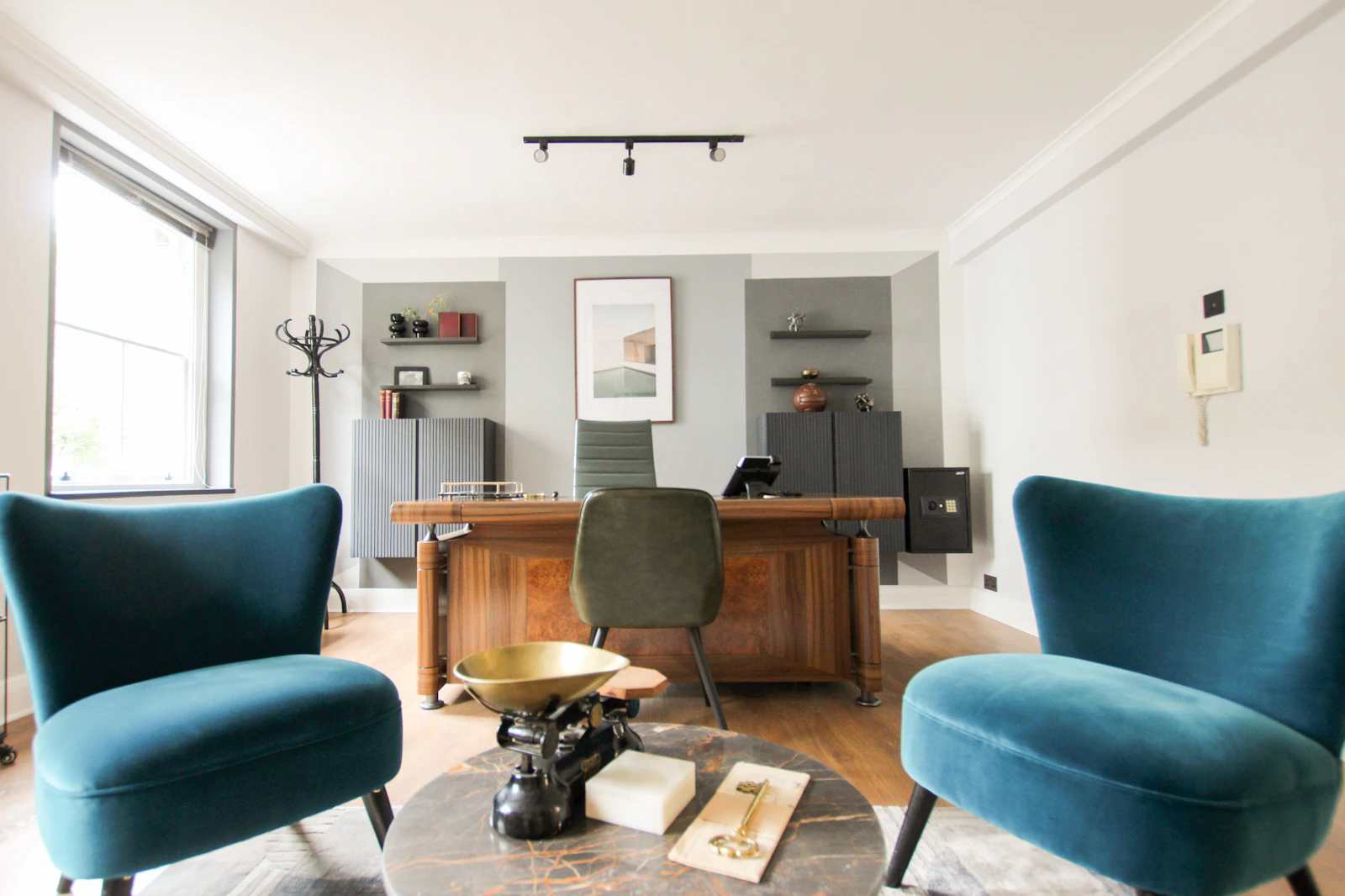
I am a licensed psychological psychotherapist (CBT) and work with internationals and expats in English, German, Spanish and Russian. From December 2026 I also see clients in person on Mondays and Tuesdays at my practice in Cologne-Nippes, near the Florastraße tram stop, and continue to offer online therapy across Germany.